FEW & FAR LUVHONDO SOUTH AFRICA When the Mountain Becomes the Architect
THE MOUNTAIN WAS HERE FIRST
There are landscapes that invite architecture.
And there are landscapes that demand humility.
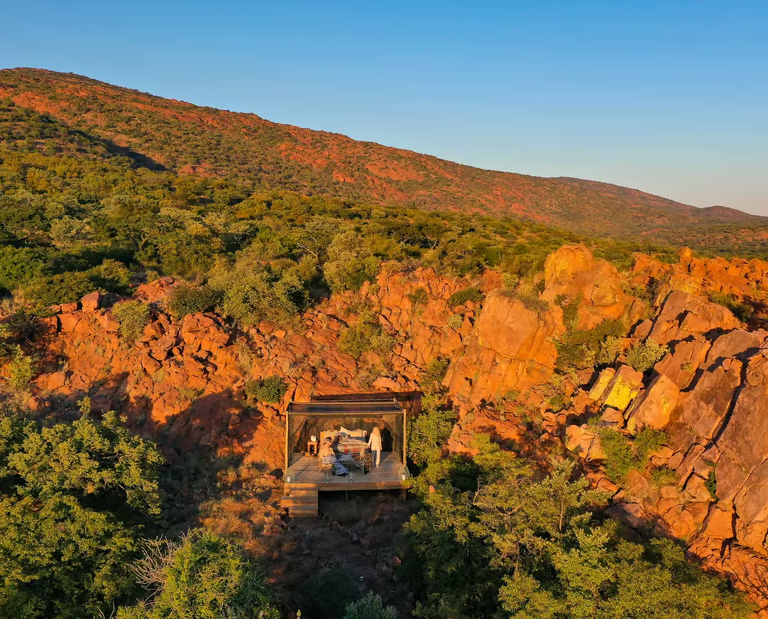
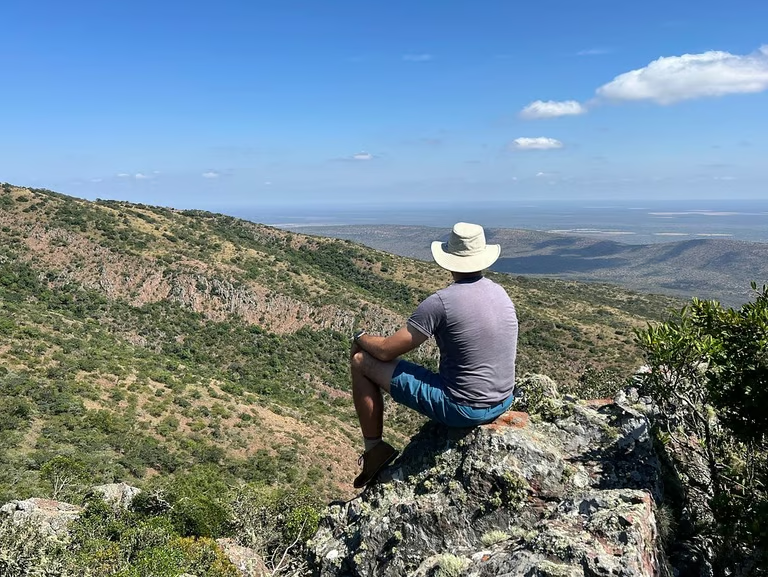
In the Soutpansberg Mountains of South Africa, the horizon does not feel empty. Ancient rock formations rise through forests and grasslands, baobabs mark the terrain like living monuments, and the changing light reveals a landscape that seems to have been shaped over a much longer measure of time than our own.
Few & Far Luvhondo begins with an unusually simple idea: the mountain was here first.
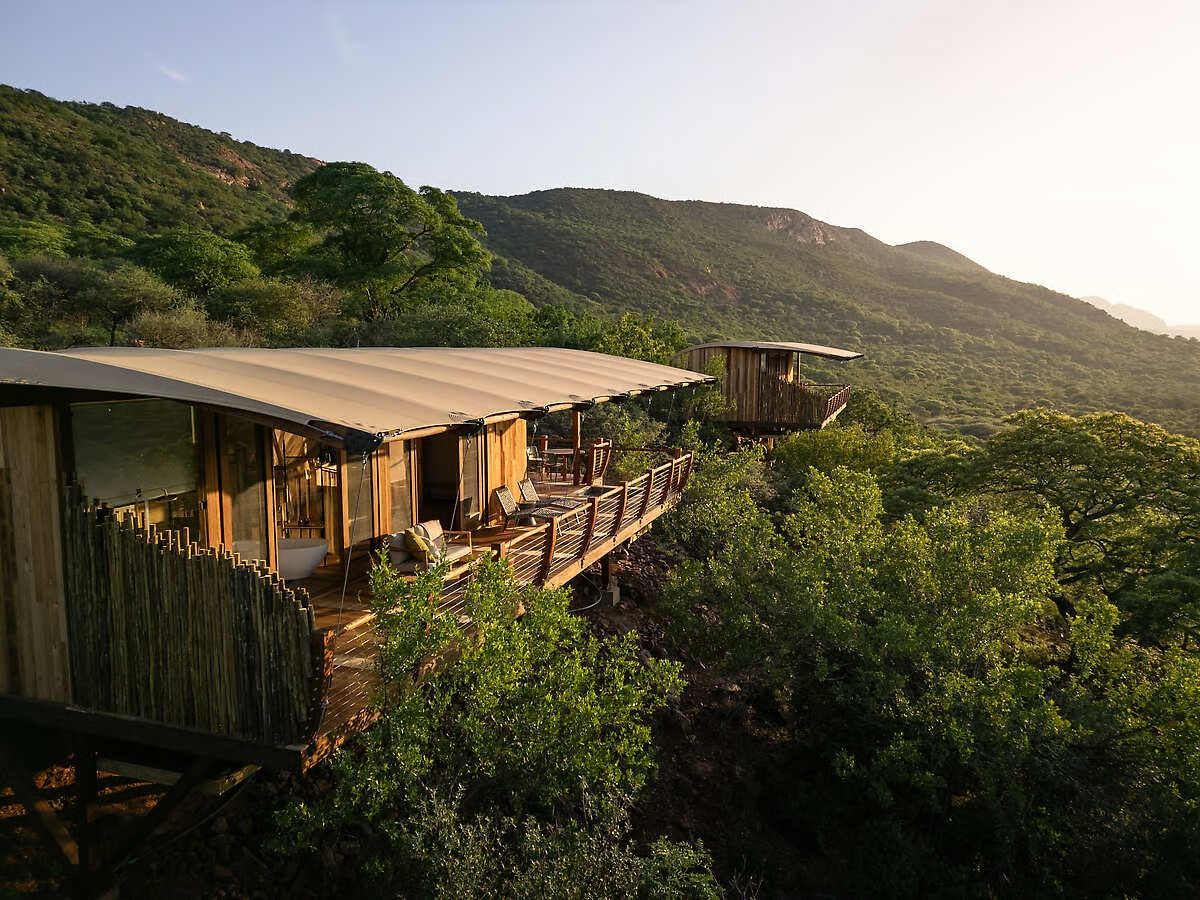
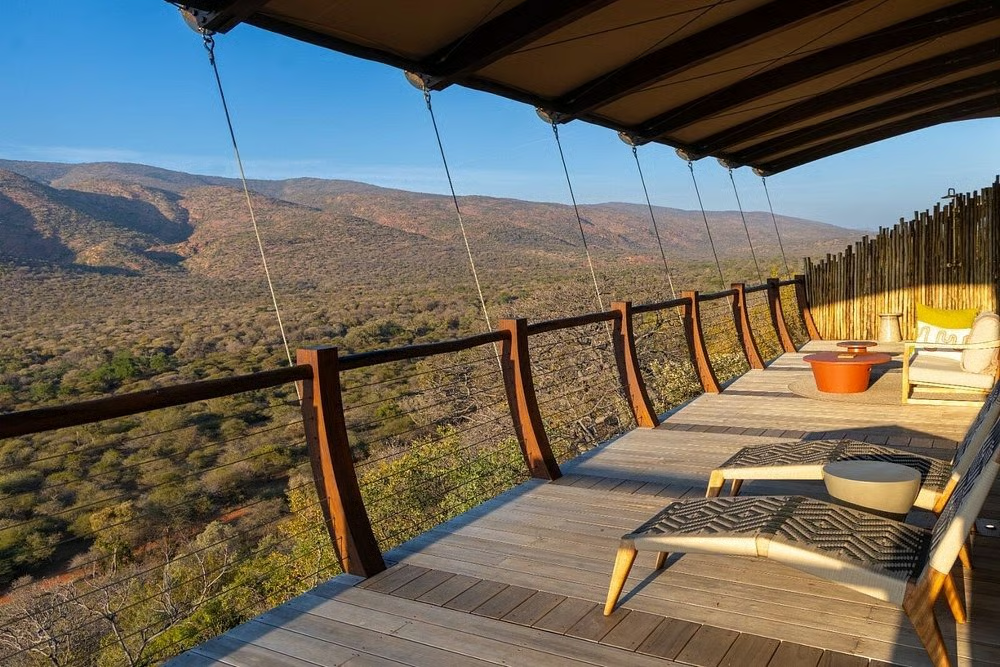
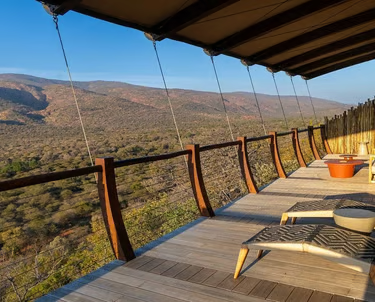
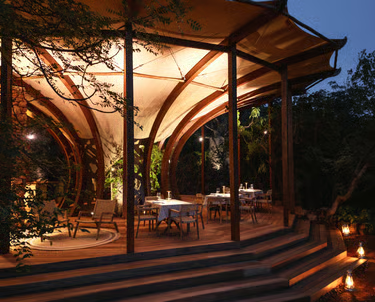
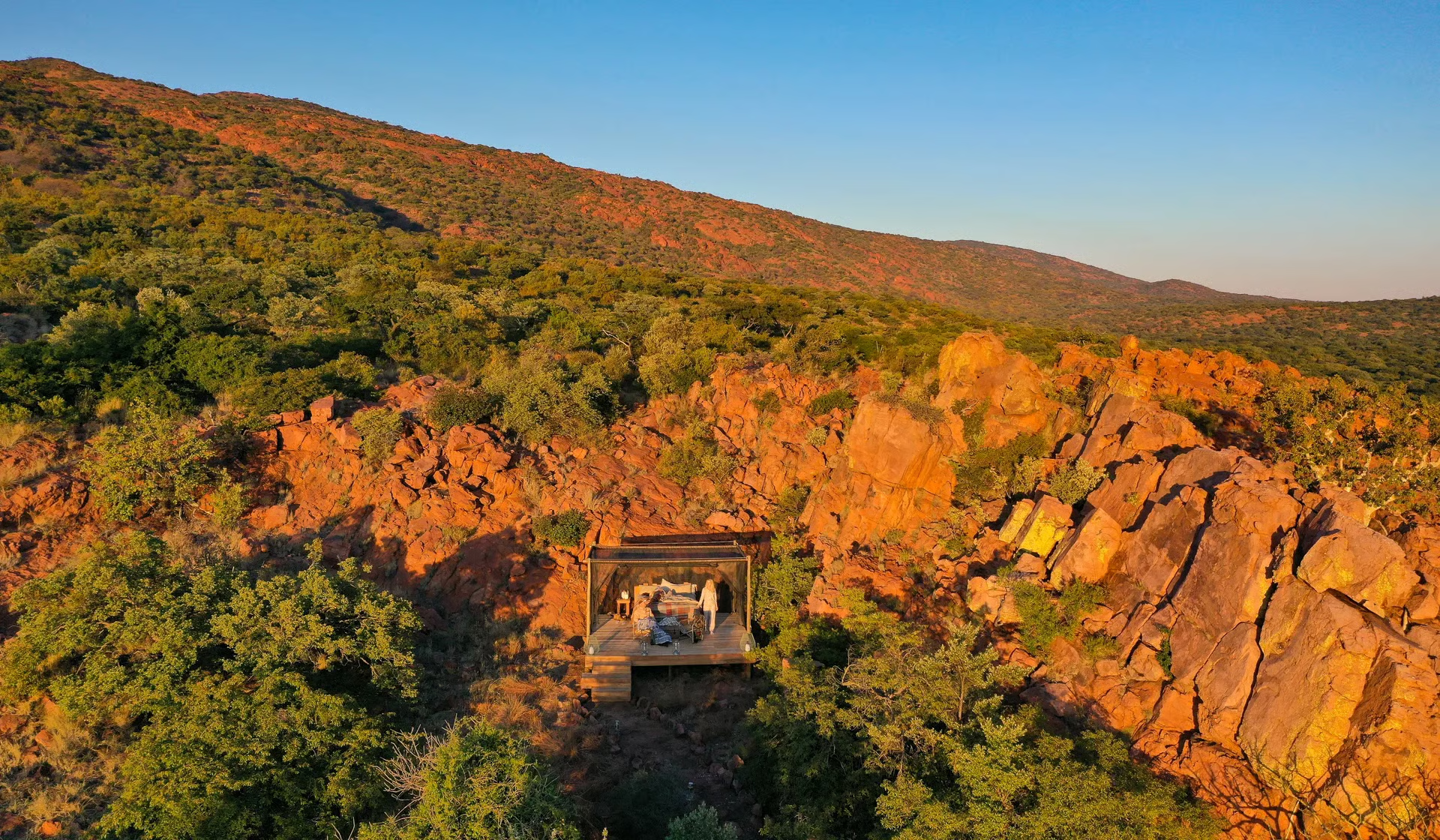
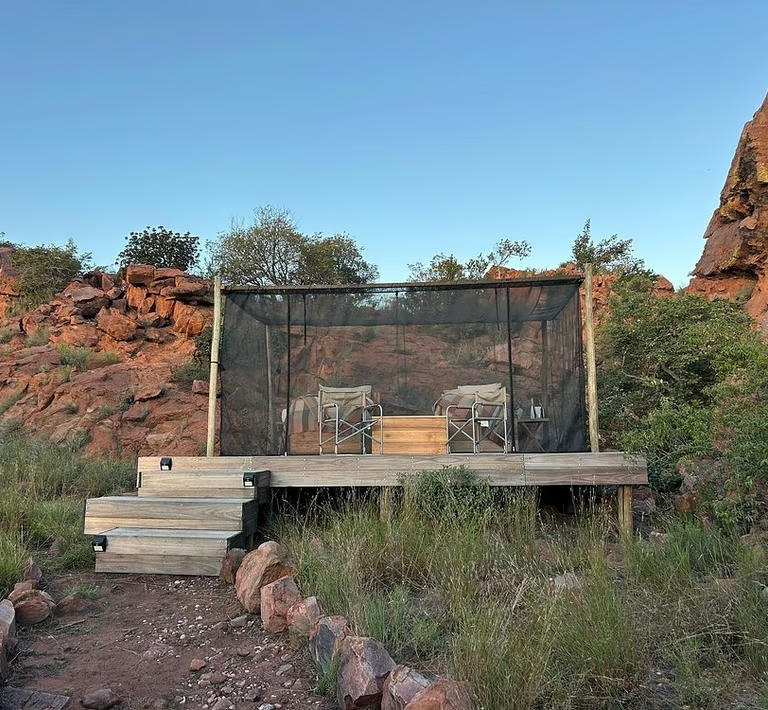
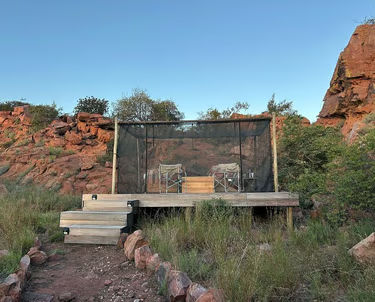
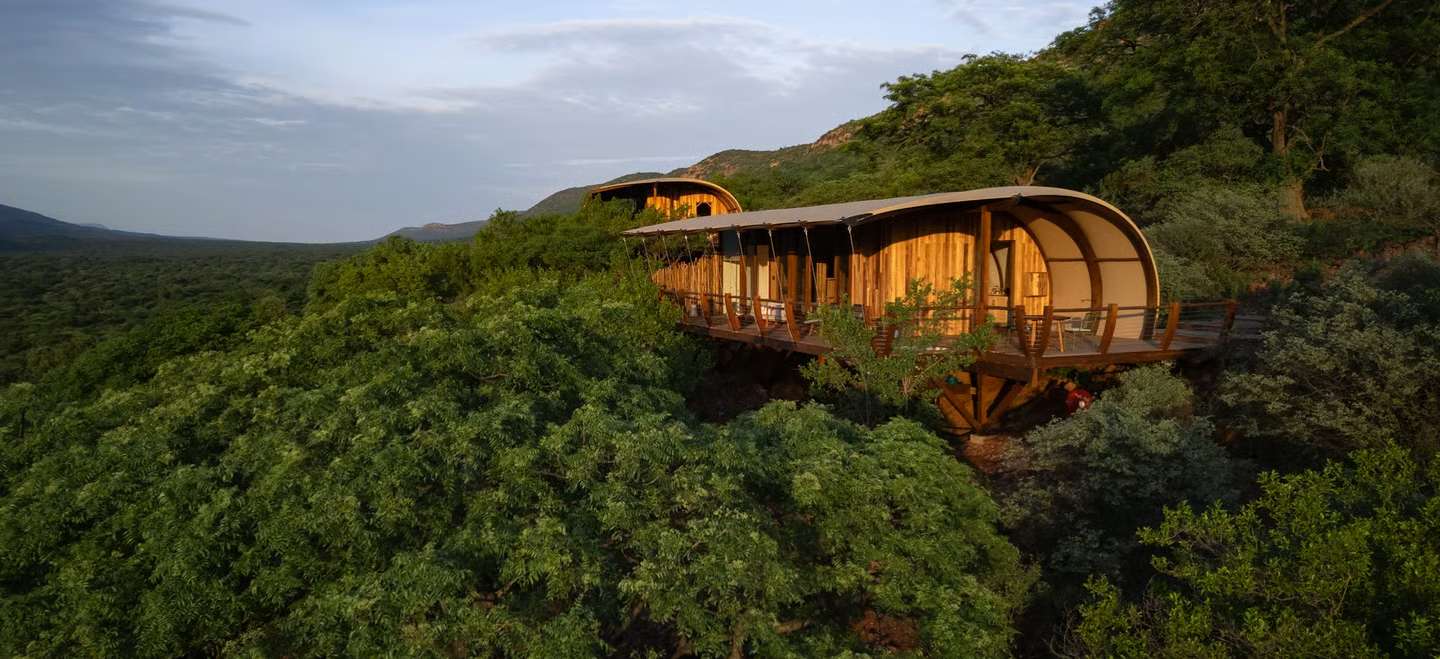
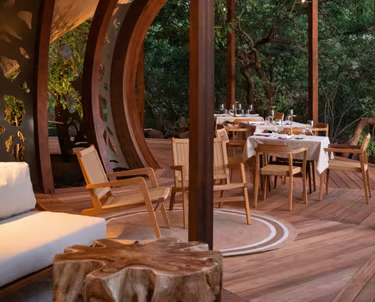
Rather than arriving as an object imposed upon the landscape, the lodge appears to emerge from it. Its structures follow the contours of the terrain, settling into the vegetation instead of competing with it. Stone, timber and organic forms create an architecture that feels less constructed than discovered — as though parts of the mountain had slowly opened to make room for human habitation.
There is sophistication here, certainly, but very little spectacle for spectacle’s sake.
The drama belongs to the landscape.
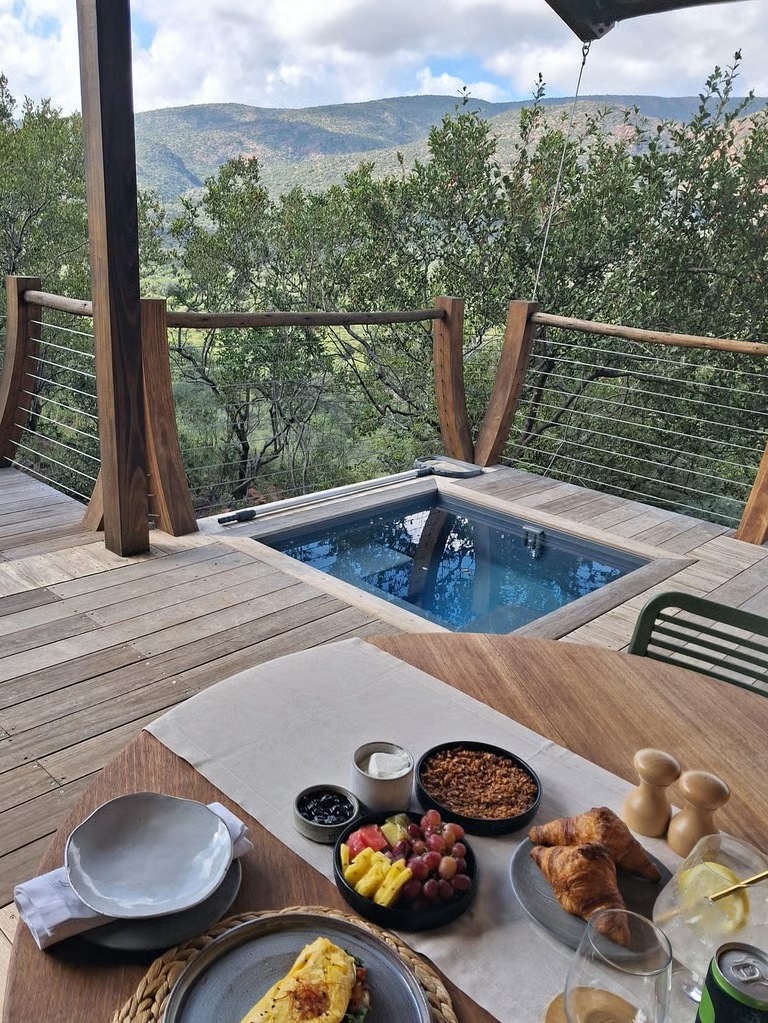
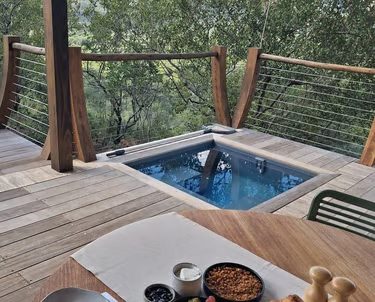
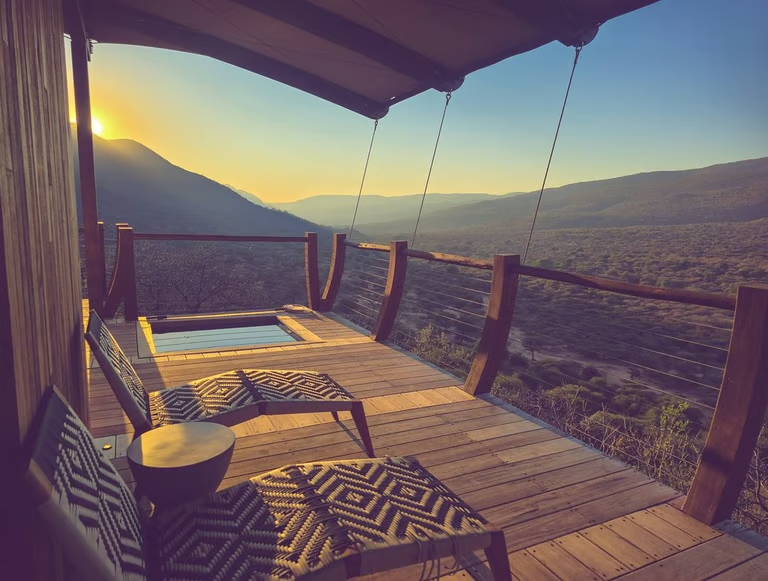
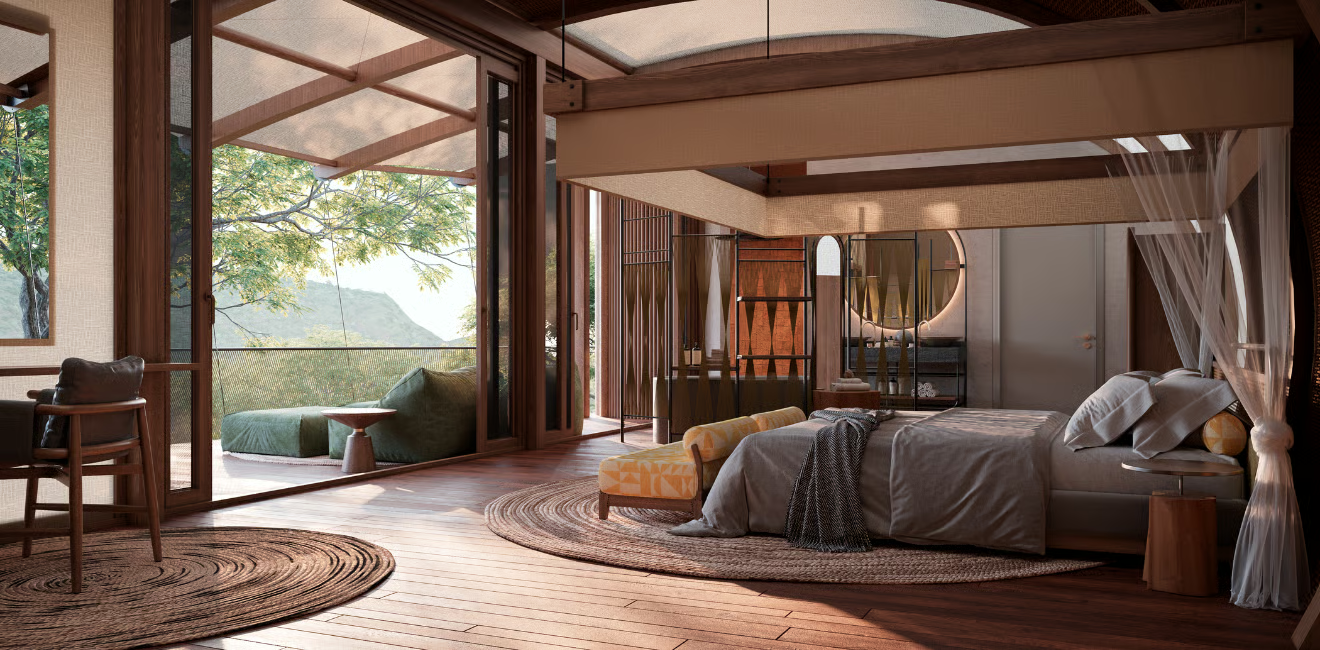
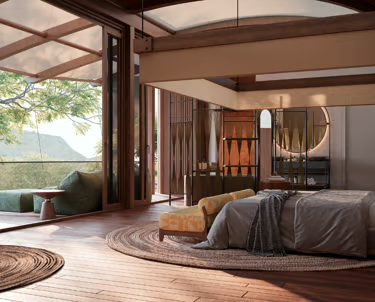
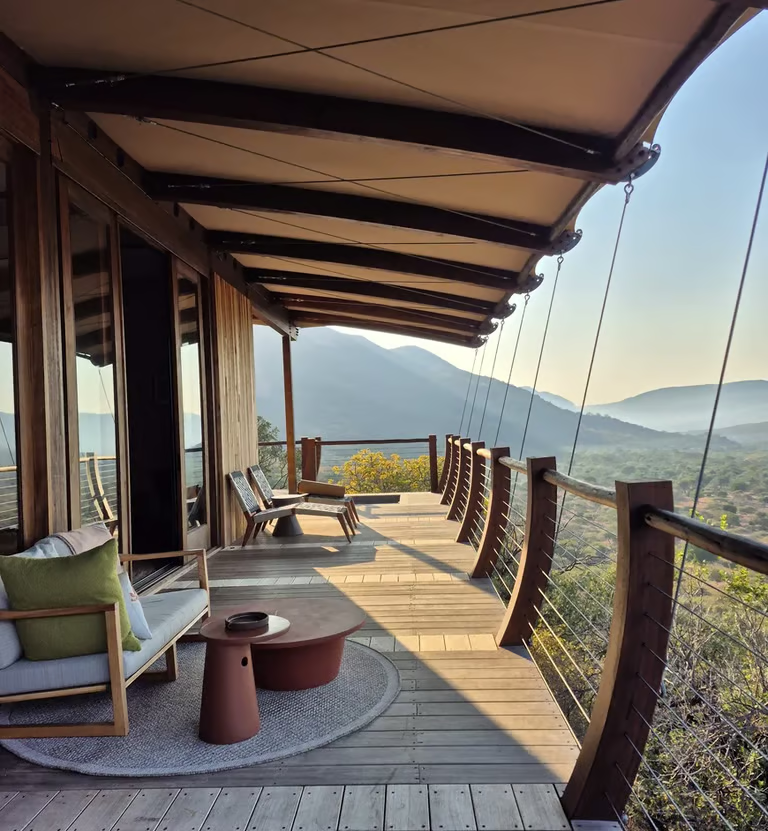
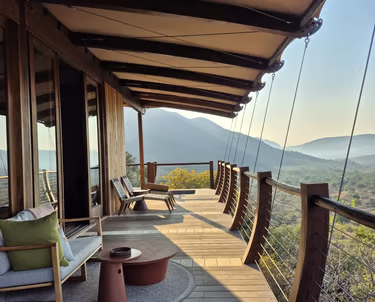
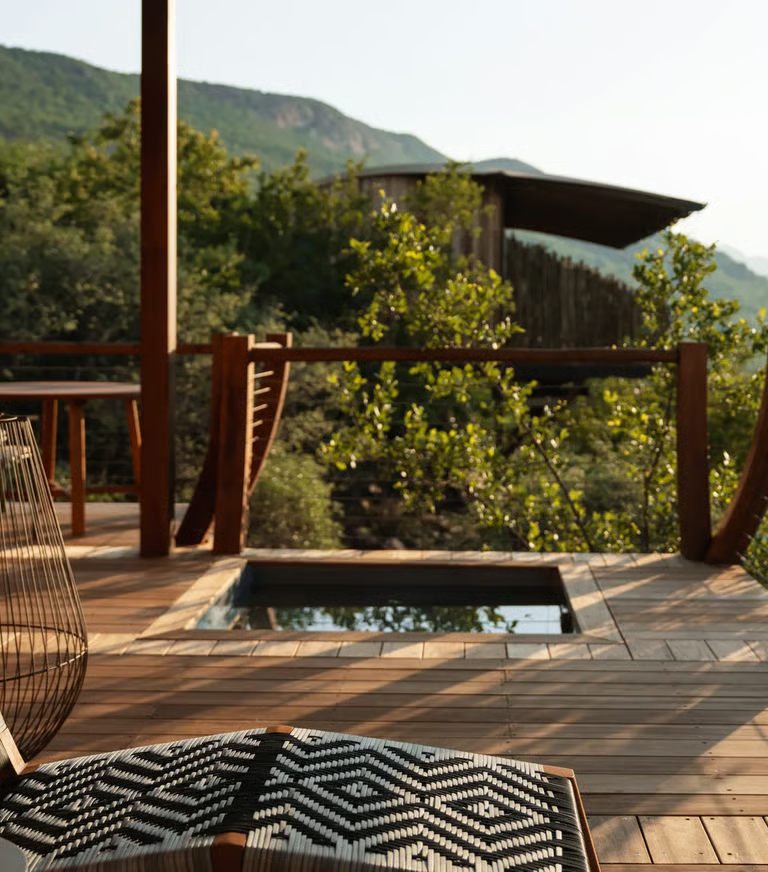
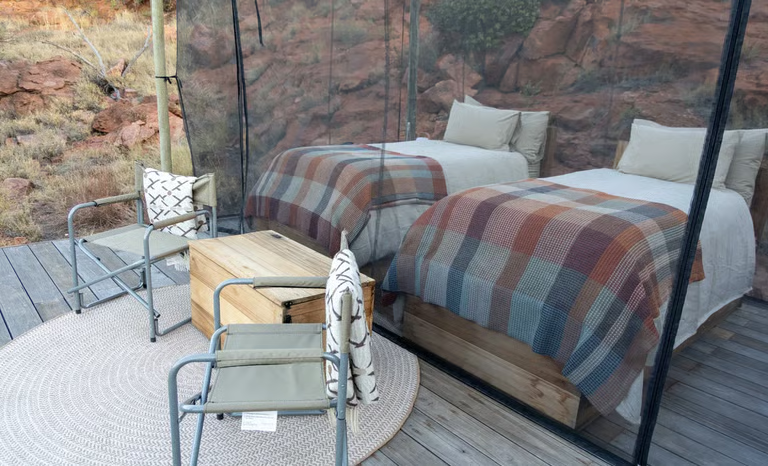
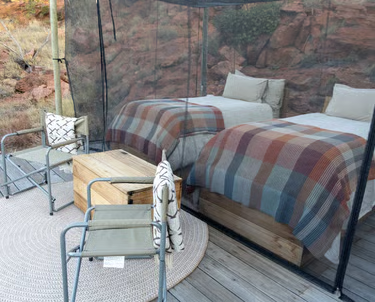
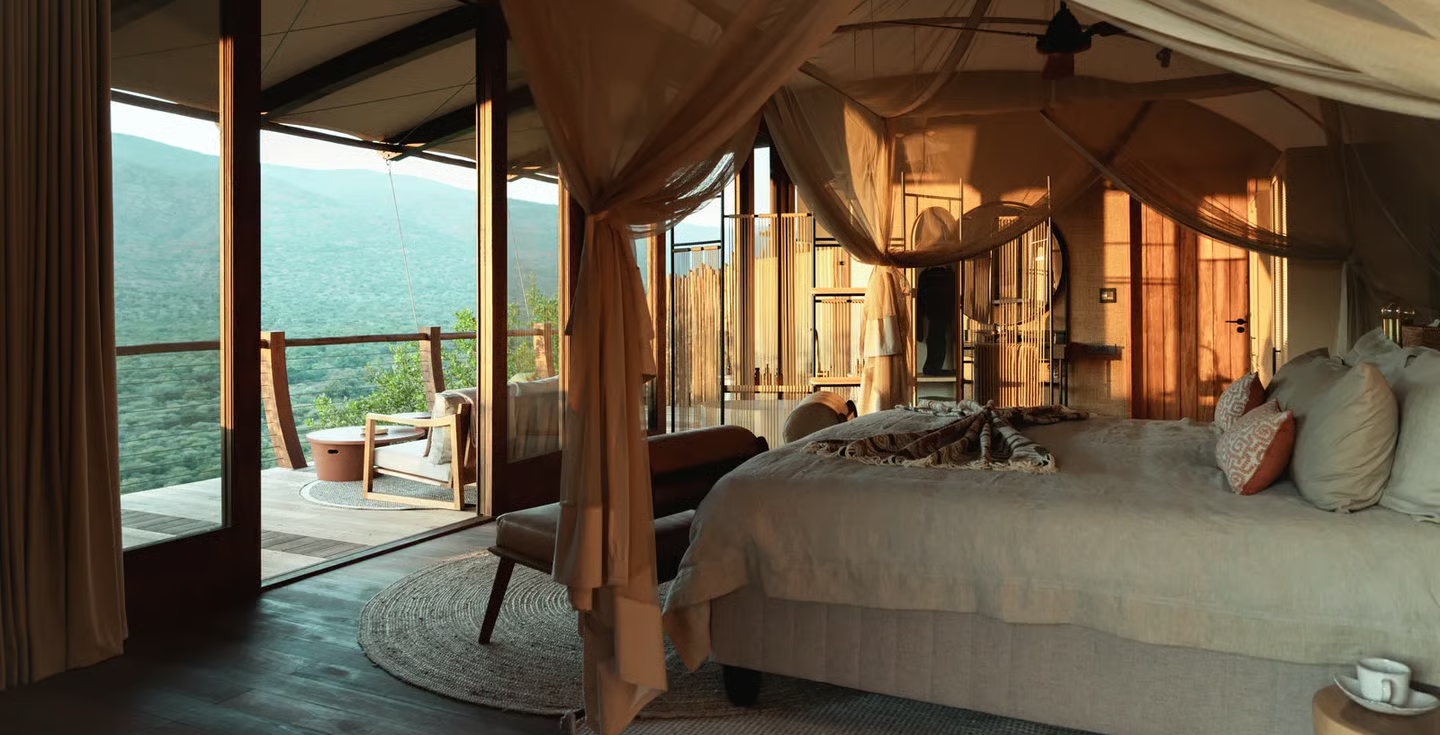
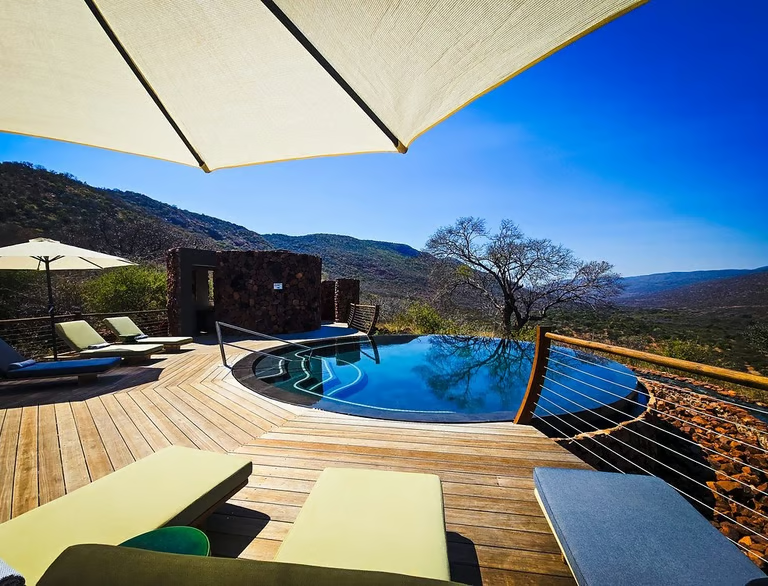
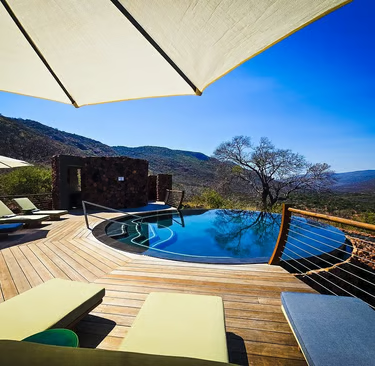
From the suites, enormous expanses of wilderness enter through glass and open terraces. Pools seem to extend toward distant ridges. Interiors borrow their colors from earth, bark, rock and dry grasses, while curved forms soften the boundary between architecture and nature. Even the materials carry a geographical logic: local stone and timber help anchor the buildings to the place from which they rise.
It is architecture conceived not simply to provide a view, but to establish a relationship with what is being viewed.
And that distinction matters.
Few & Far Luvhondo sits within the Vhembe Biosphere Reserve, part of a region of exceptional biodiversity in South Africa’s Limpopo province. Here, hospitality exists alongside a much larger ambition: the restoration and protection of an ecosystem whose value extends far beyond the experience of those who come to visit it.
This gives the idea of luxury an unusual scale.
A swimming pool overlooking the mountains can be beautiful. A room surrounded by wilderness can be extraordinary. But the deeper privilege may be waking inside a landscape that is being allowed to become more itself — not less — because you are there.
Perhaps this is why Luvhondo feels so compelling.
The architecture does not attempt to conquer the mountain.
It listens to it.
And somewhere between stone, forest and sky, the distinction between what was built and what was already there begins quietly to disappear.
LIVING WITH THE WILD
At Luvhondo, the landscape is not something encountered only beyond the glass.
It enters the experience slowly, through sound, temperature, texture and movement.
Morning begins differently in the mountains. Light travels across the Soutpansberg before reaching the lodge, revealing layers of vegetation that seemed almost invisible the night before. The air changes. Birds announce themselves somewhere beyond the terraces. In the distance, the landscape stretches toward horizons without buildings, roads or the familiar signs by which we normally measure civilization.
Here, wilderness is not a backdrop.
It is a presence.
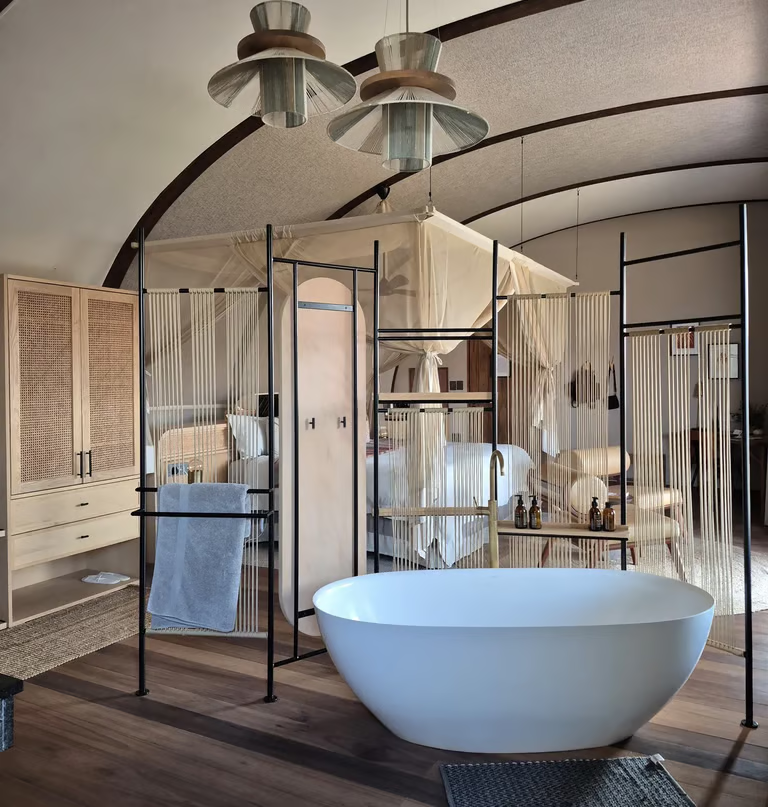
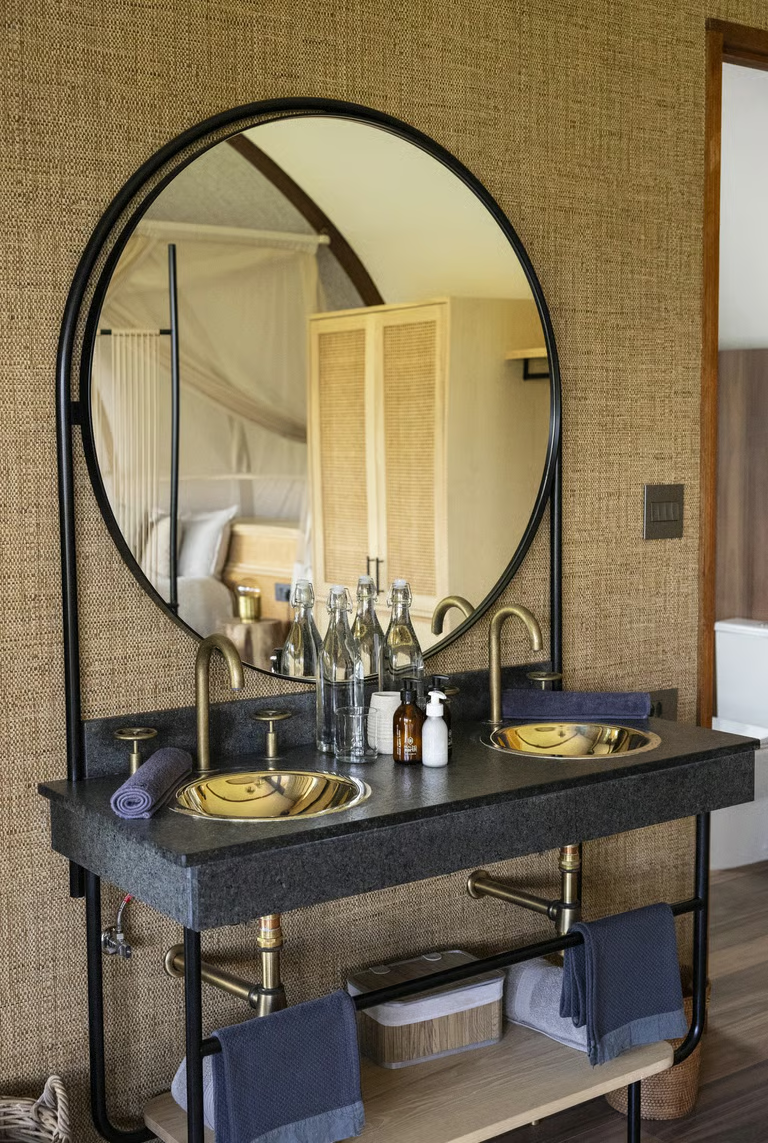
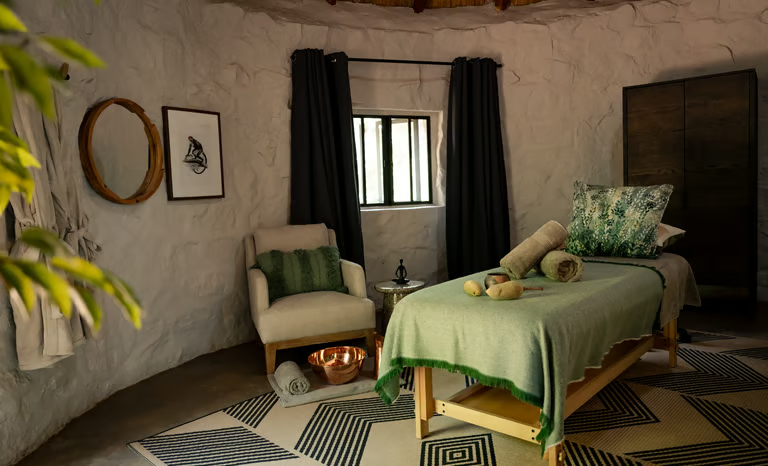
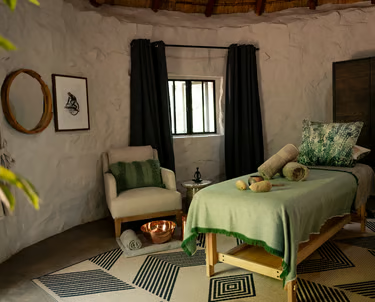
That presence has shaped the interiors as much as the architecture itself. Natural fibers, sculptural furniture, hand-finished surfaces and objects carrying the marks of their makers create rooms that resist the anonymous language of international luxury. There is warmth, irregularity and tactility — materials that ask to be touched rather than simply admired.
African design enters not as decoration, but as identity.
Throughout the lodge, contemporary forms coexist with references to the continent’s extraordinary traditions of weaving, carving, ceramics and pattern. The result avoids both nostalgia and theatricality. Nothing needs to announce itself as “African.” The connection is more instinctive than literal, embedded in materials, gestures and the intelligence of making things by hand.
And then there is fire.
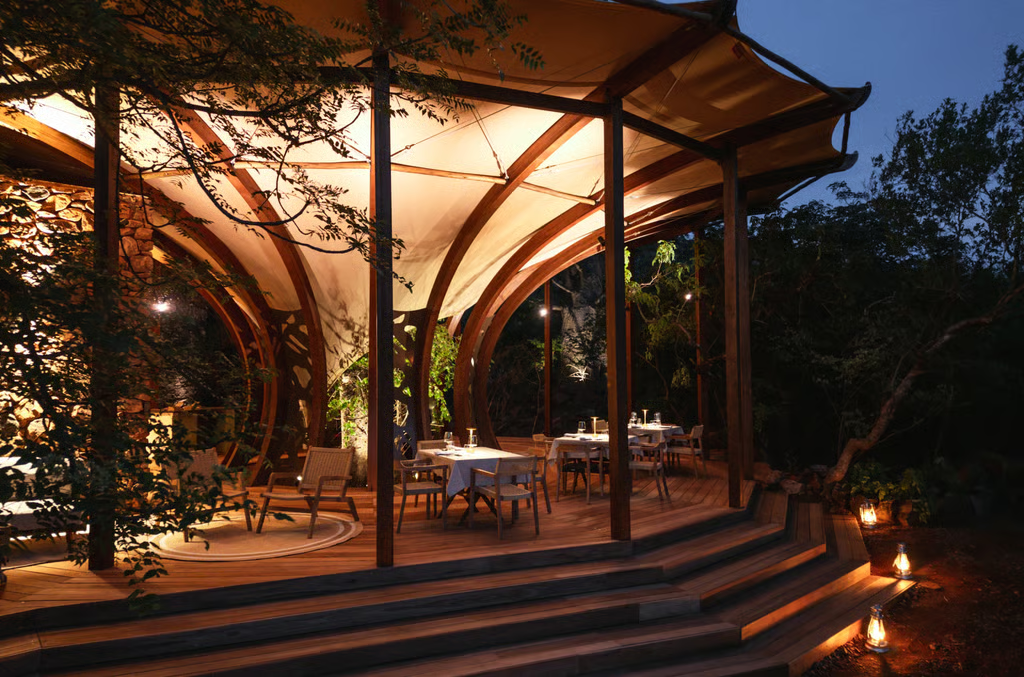
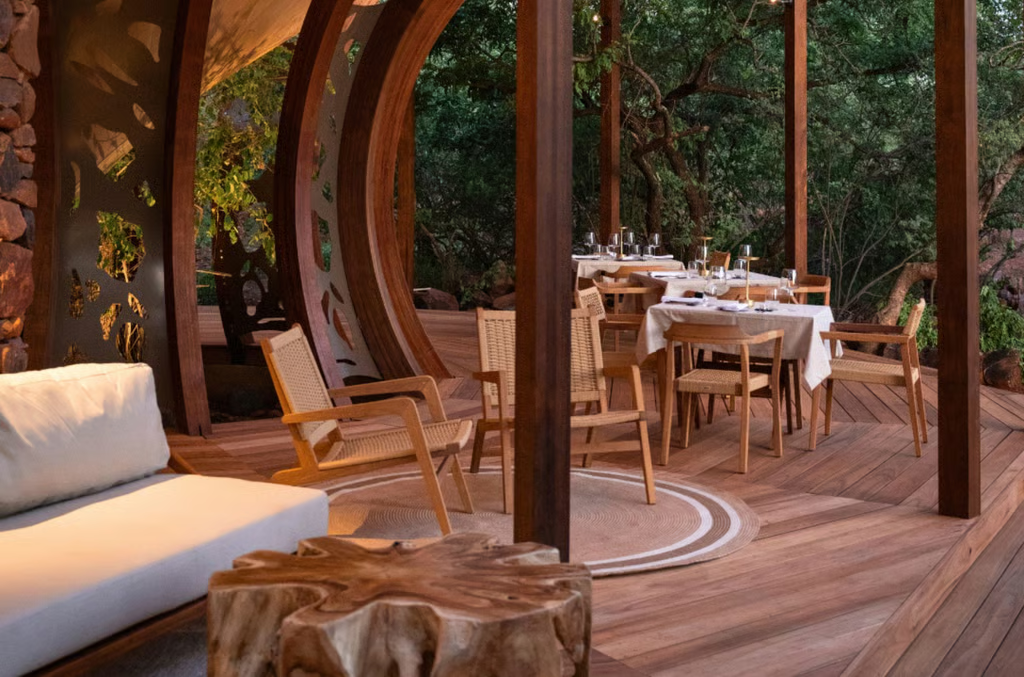
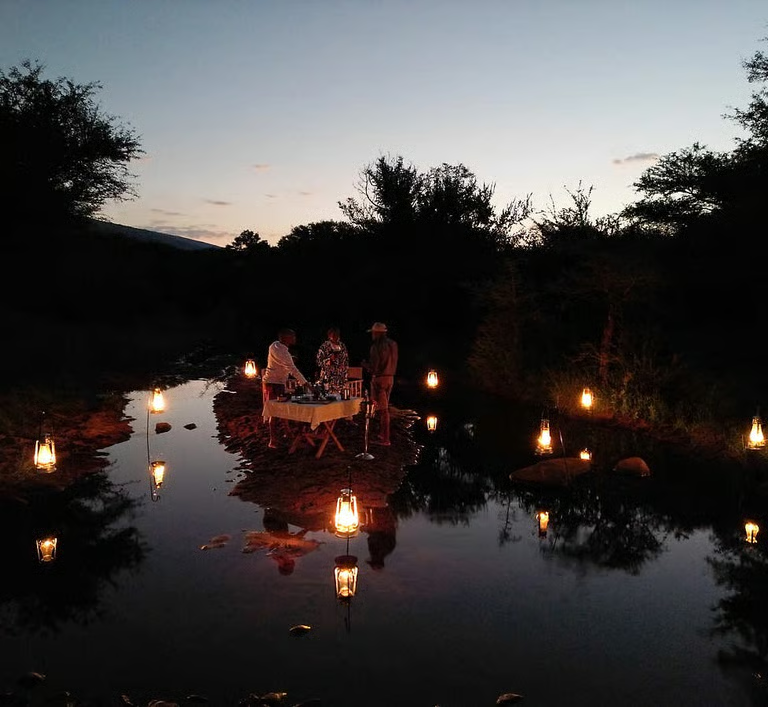
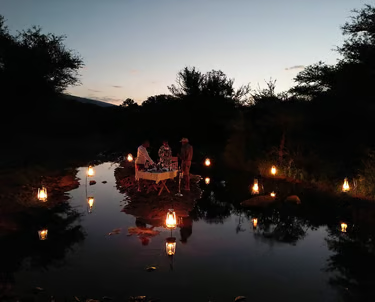
As daylight disappears behind the mountains, Luvhondo seems to change character. Flames illuminate stone and timber. Tables move closer to the landscape. The enormous scale of the reserve contracts into something intimate: a meal, a conversation, the sound of the night beginning beyond the light.
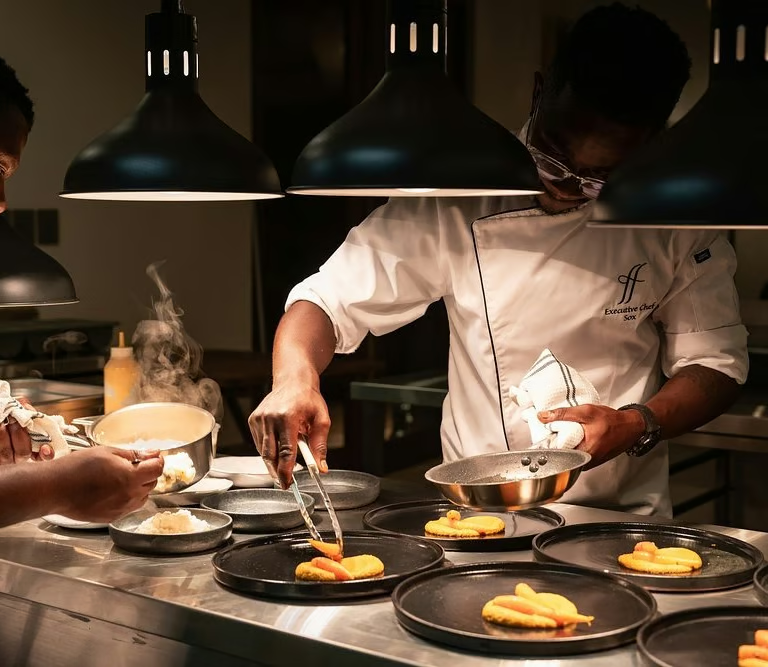
Food becomes another way of understanding where you are.
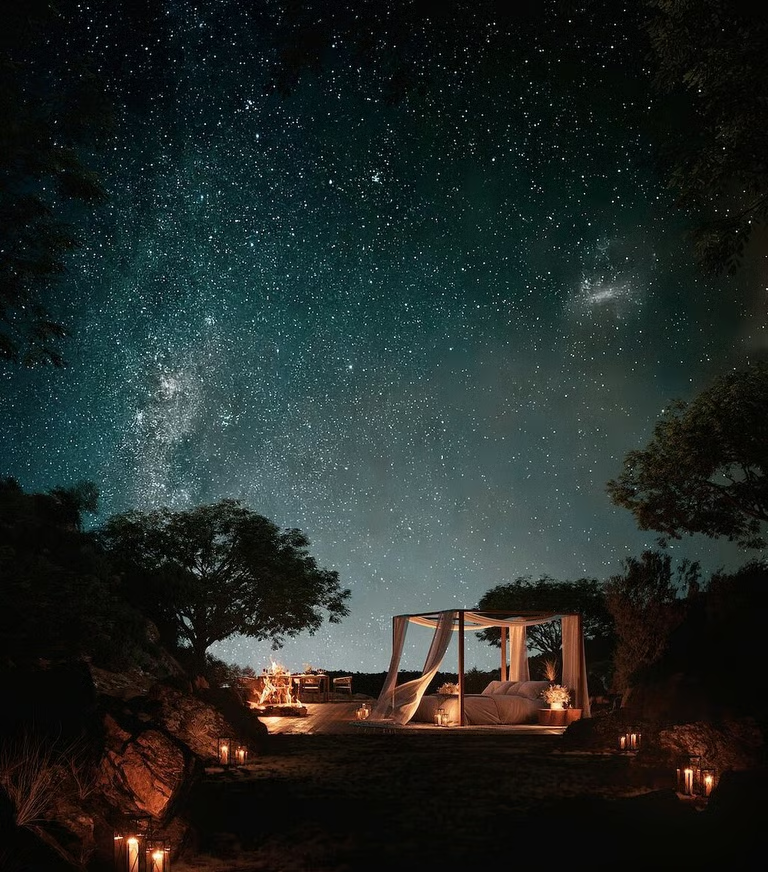
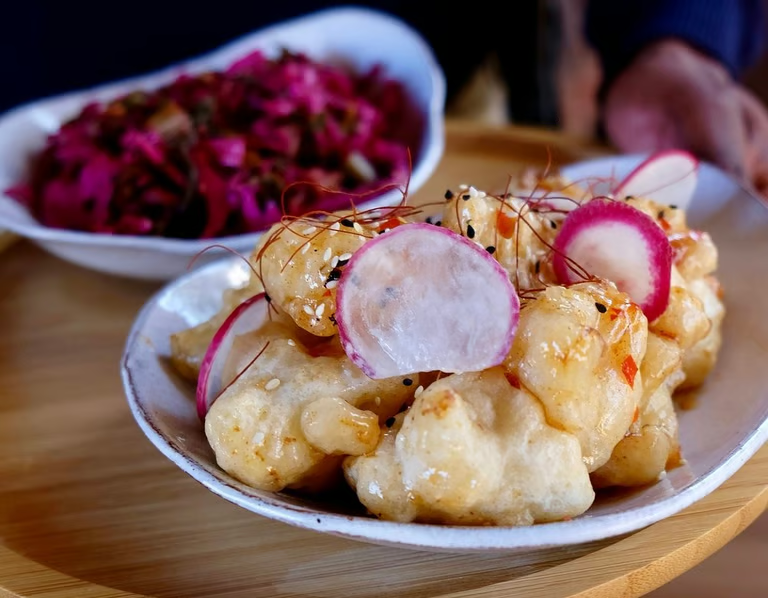
Ingredients, local knowledge and the rhythms of the region transform dining from an interruption in the journey into part of it. A table beneath the African sky can communicate something no perfectly controlled dining room ever could — because atmosphere here is not designed entirely by the hotel.
Some of it belongs to the wind.
Some to the temperature.
Some to the darkness.
And some to whatever may be moving beyond the circle of light.
This is perhaps Luvhondo’s most seductive quality: comfort never completely separates you from the wild.
The architecture can shelter you. The interiors can surround you with beauty. A pool can offer an almost impossible vantage point over the mountains.
But the wilderness is always allowed the final word.
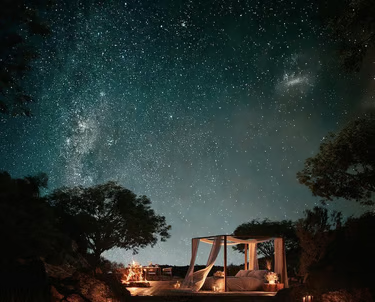
And after sunset, beneath a sky suddenly crowded with stars, the boundaries that seemed so clear during the day begin once again to disappear.
WHAT WE LEAVE BEHIND
The most extraordinary landscapes have a way of changing the scale of our ambitions.
Surrounded by mountains that have existed for millions of years, the idea of permanence begins to feel different. Buildings become temporary. Journeys become brief. Even our presence in the landscape starts to seem less important than what will remain after we leave.
At Few & Far Luvhondo, this awareness is not simply philosophical.
It is part of the reason the place exists.
The lodge is connected to a wider effort to restore and protect the surrounding wilderness — allowing native vegetation to recover, supporting biodiversity and helping return parts of the landscape to a more natural ecological rhythm. Here, conservation is not presented as an activity added to the guest experience. It is woven into the idea of hospitality itself.
That changes the relationship between traveler and destination.
A safari is no longer only about what can be seen.
It becomes a way of understanding what must be protected.
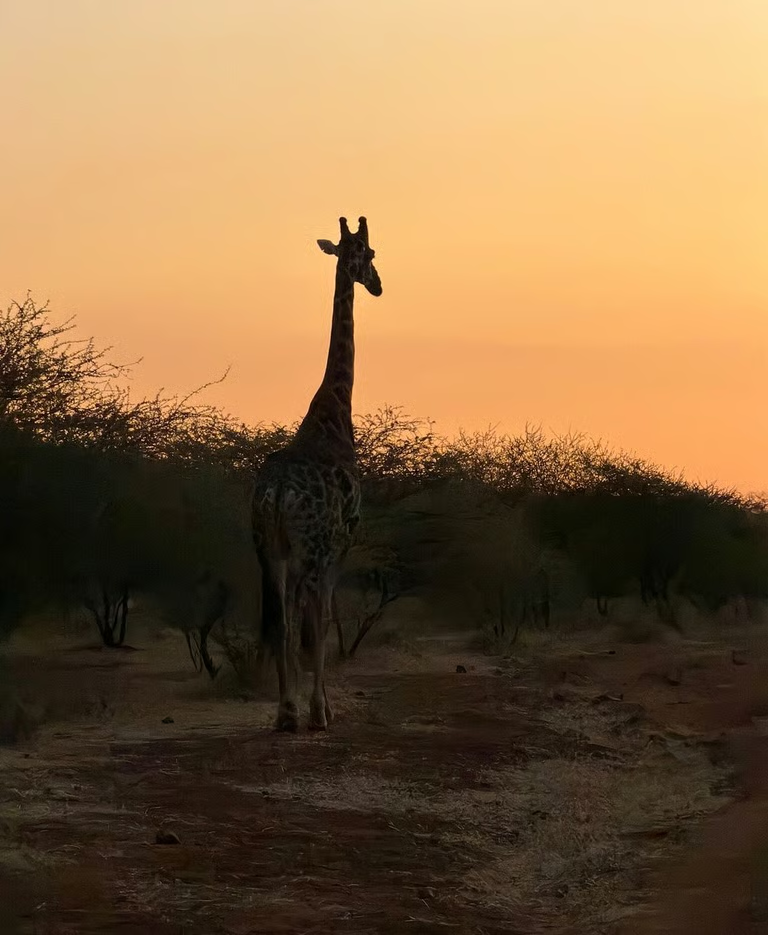
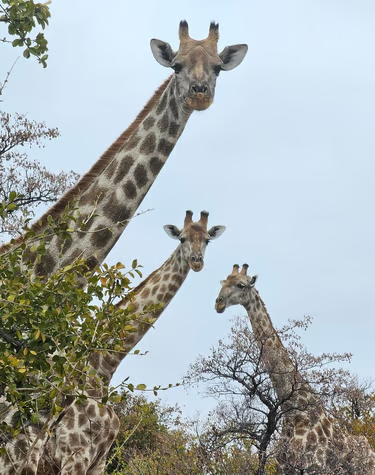
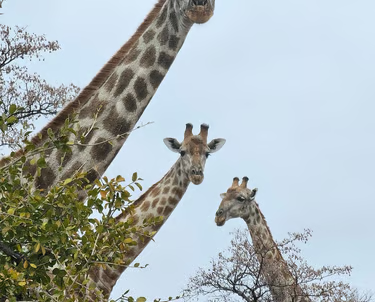
The animals moving through these landscapes are part of an infinitely larger system: water, soil, plants, migration routes, predators, insects, seasons and the delicate relationships that have evolved between them. To preserve one without the others would be to misunderstand the wilderness entirely.
Perhaps this is where the contemporary African lodge is becoming most interesting.
Its greatest luxury may no longer be the ability to place us in front of nature.
It may be the possibility of placing us inside its future.
There is something quietly powerful about that idea.
We travel across continents expecting to collect experiences — photographs, memories, encounters, stories. But perhaps the most meaningful journeys eventually reverse that equation.
They ask what we are willing to leave behind.
Not footprints.
Not monuments.
Not another perfect building competing with the horizon.
But space.
Space for forests to return.
Space for animals to move.
Space for landscapes to recover.
Space for something older than us to continue.
And then, almost inevitably, we return to the mountain.
The same mountain that shaped the architecture, framed the rooms and watched the light disappear each evening is still there when the journey ends.
Few & Far Luvhondo may offer a remarkable way to experience it.
But its most beautiful ambition is something far simpler:
to make sure the mountain remains long after we are gone.
Contact
Contact us for partnerships, collabs, and any questions.
phone number
+1 561 601 2069
© 2025. All rights reserved.