
CANYON RANCH LENOX The Luxury of Feeling Well


When Luxury Becomes Personal
For centuries, luxury has been remarkably easy to recognize.
It had weight.
It had rarity.
It could be measured in marble, silver, silk, space, craftsmanship and the privilege of entering places inaccessible to most.
We learned to identify it almost instinctively.
But there comes a point when possession loses some of its power.
The beautiful room is still beautiful. The extraordinary meal still matters. The perfect view can still stop us in our tracks.
And yet another question begins to emerge — quieter, more intimate and considerably more difficult to answer:
How do I actually feel?
Not how successful do I look.
Not where am I staying.
Not what do I own.
Not even how extraordinary is the experience surrounding me.
How do I feel when I wake up?
How deeply do I sleep?
How comfortably do I inhabit my own body?
How much energy do I have?
When was the last time my mind was genuinely quiet?
And perhaps most importantly:
How well am I living the life I worked so hard to build?
This is where the idea of Canyon Ranch becomes interesting.
Because the most valuable thing offered here is not necessarily something you can take home in a suitcase.
It is attention.
Attention to the body.
Attention to movement.
Attention to food.
Attention to sleep.
Attention to stress.
Attention to the complicated relationship between physical health and emotional well-being.
And attention, ultimately, to time — not simply how much of it we have, but how we inhabit it.
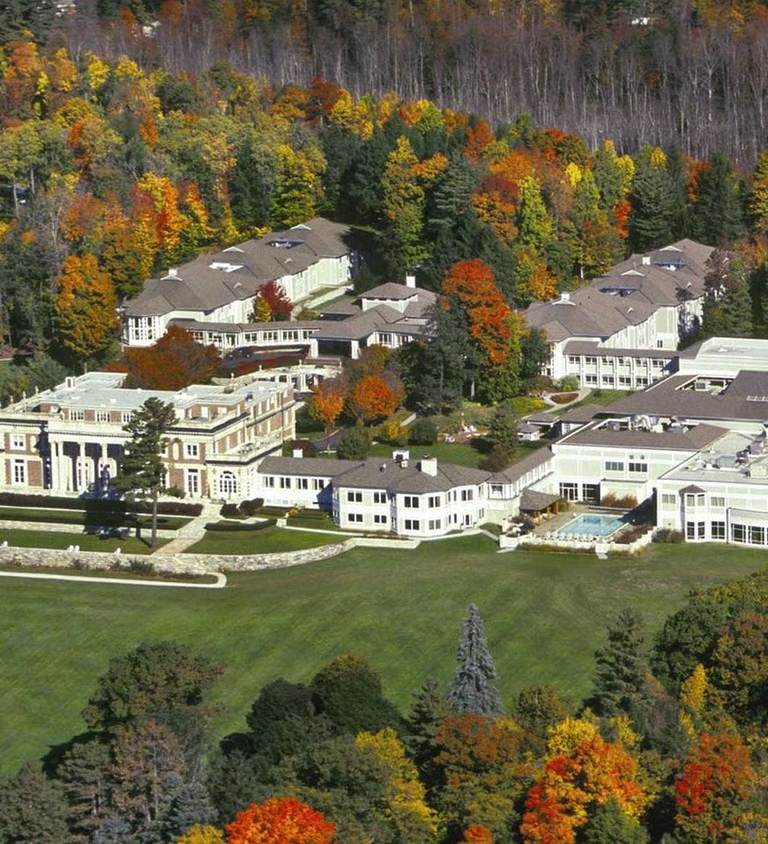
At Canyon Ranch Lenox, in the Berkshires of western Massachusetts, this philosophy unfolds within surroundings that initially seem to belong to a very different conversation.
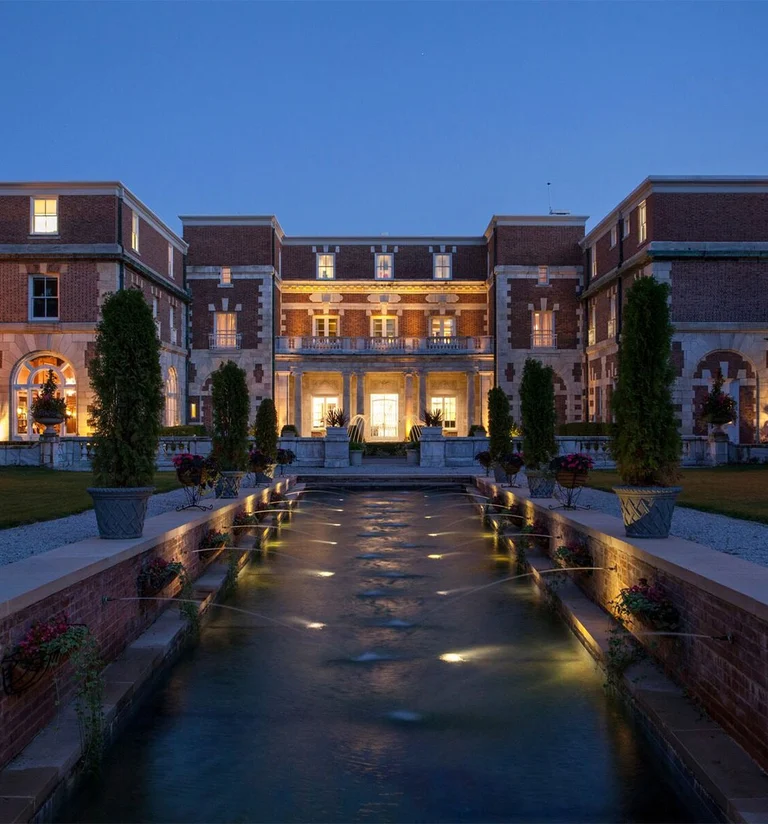
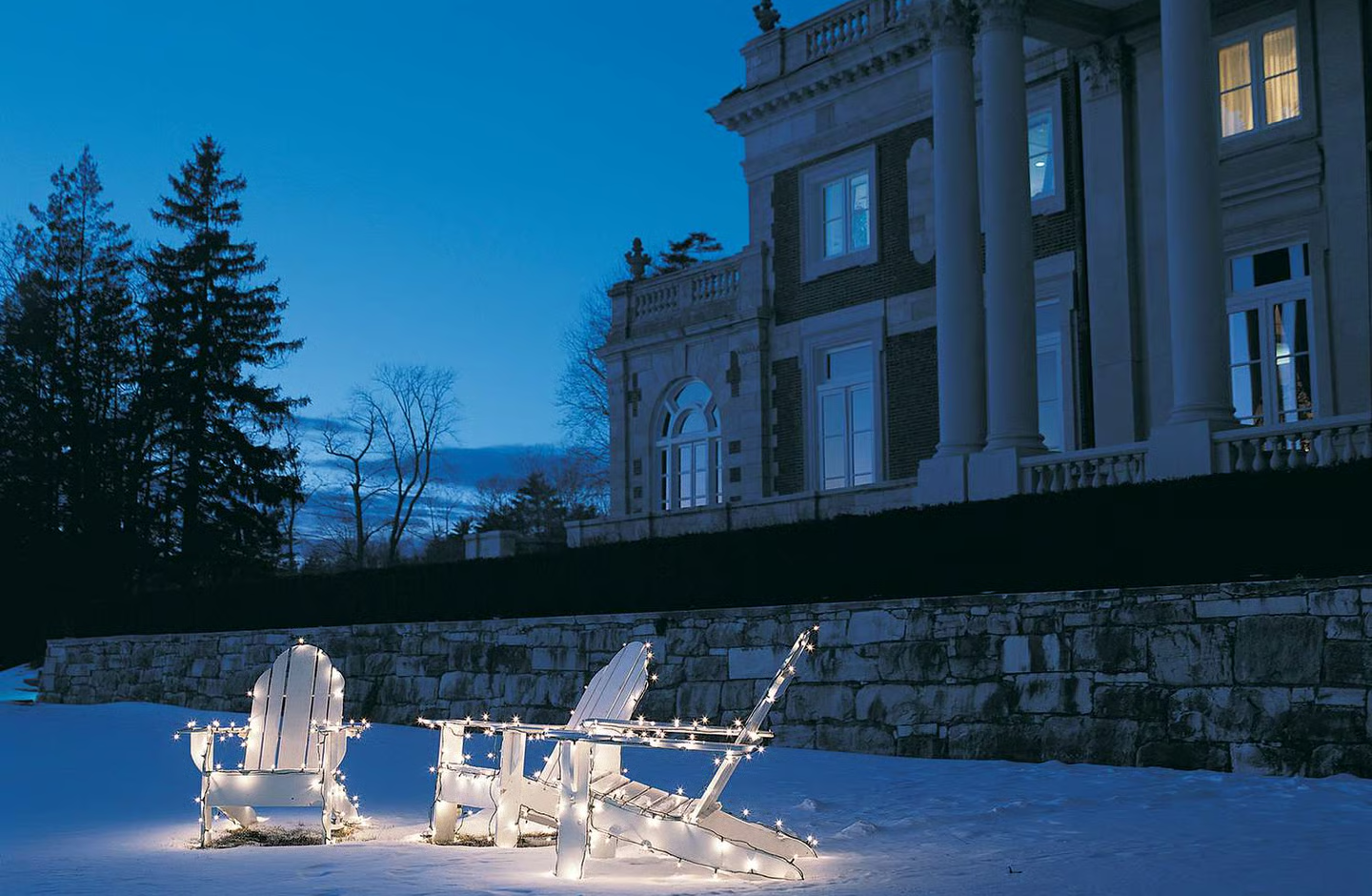
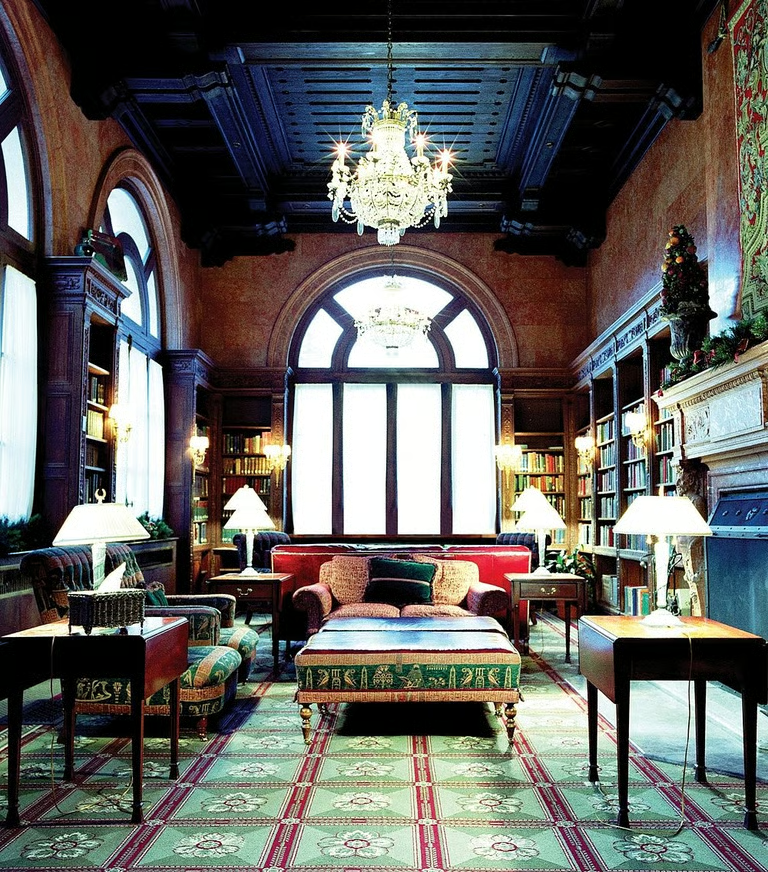
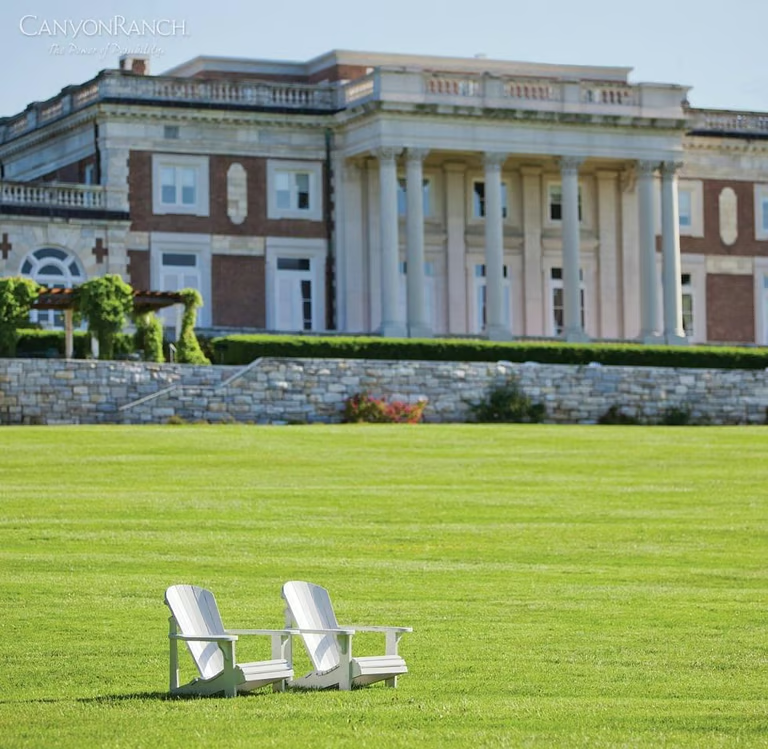
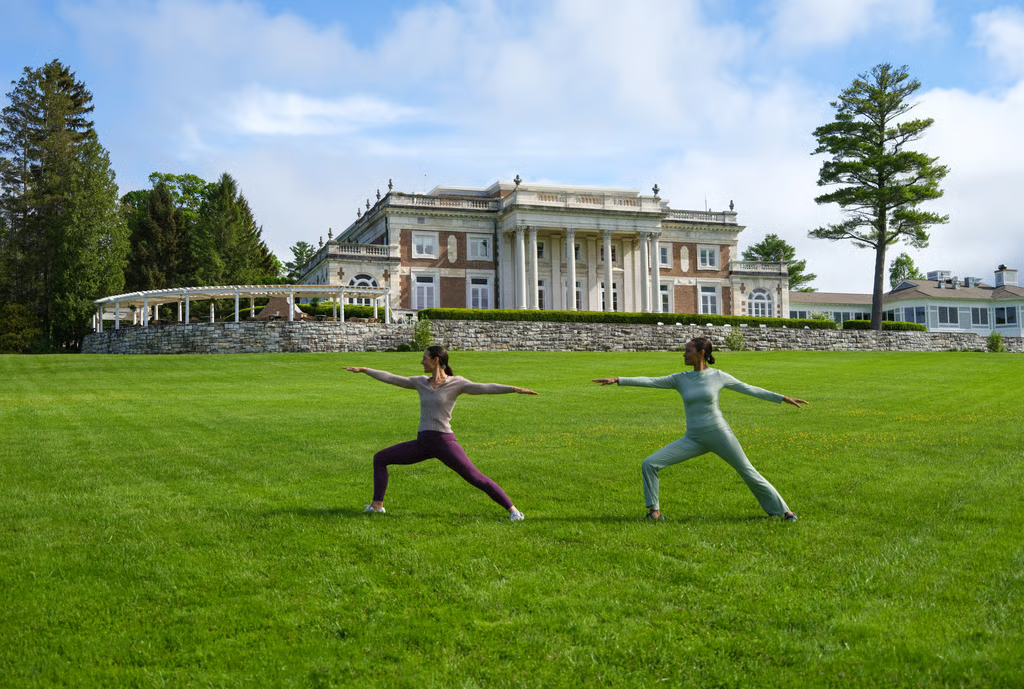
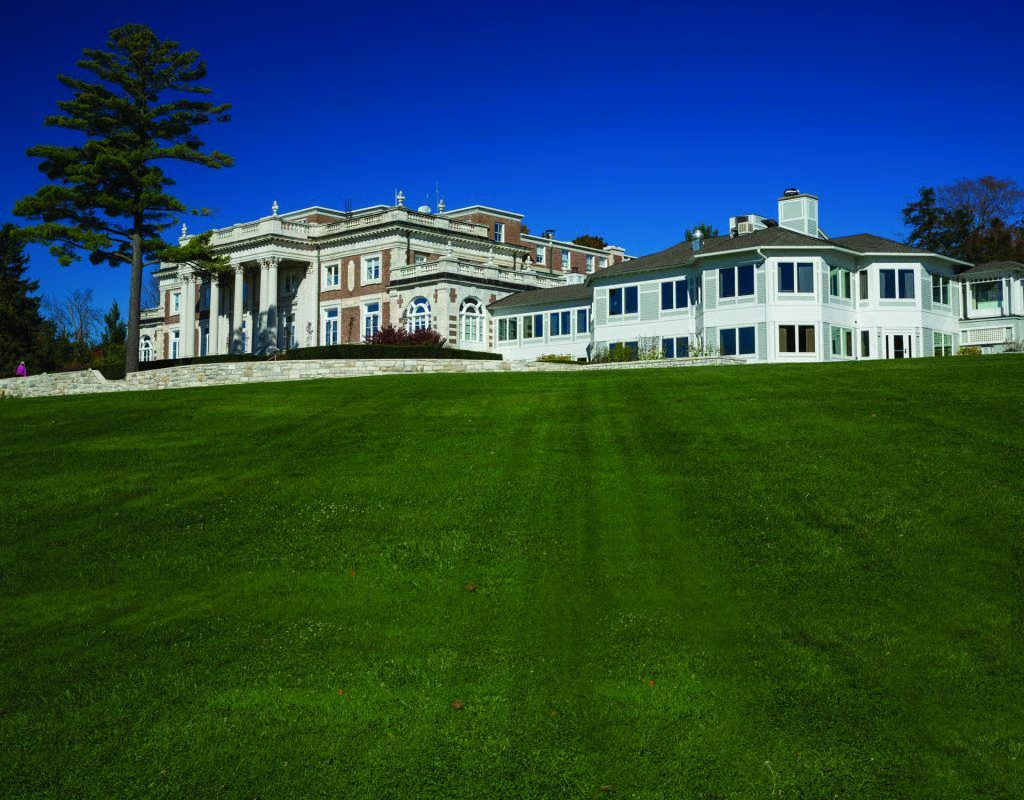
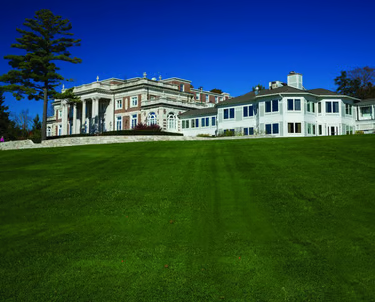
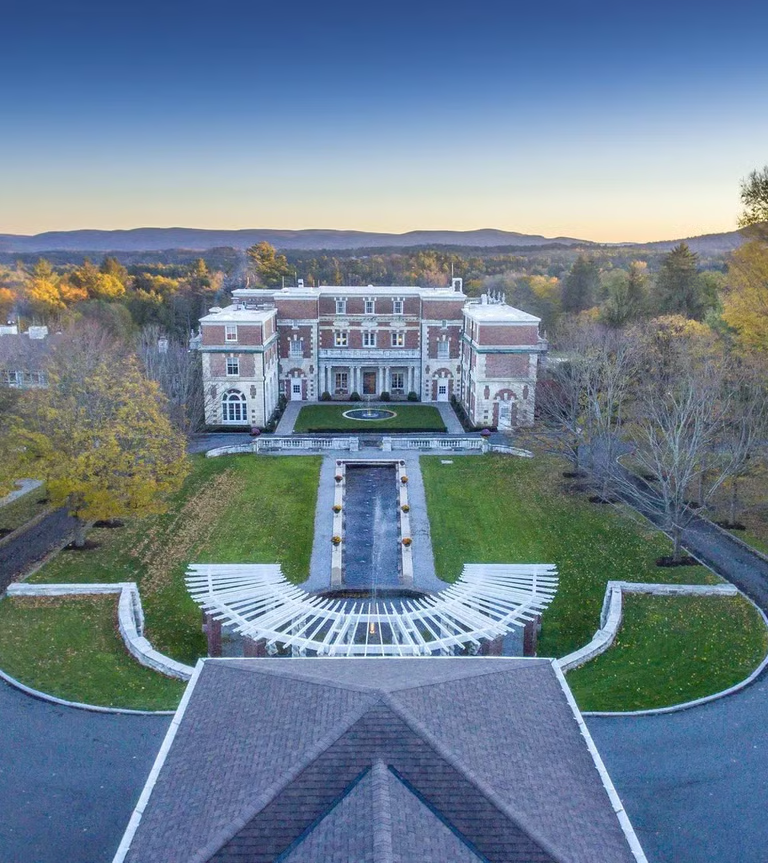
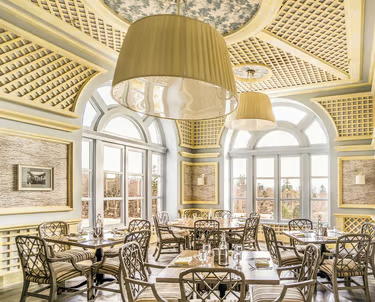
At the heart of the property stands Bellefontaine Mansion, an imposing early-twentieth-century residence whose architecture carries the confidence and ceremony of another era.
Its presence is important.
Because it creates a beautiful contradiction.
The house speaks the traditional language of privilege: proportion, craftsmanship, permanence, landscape, rooms designed for gracious living.
But the experience that has developed around it asks a distinctly contemporary question:
What if privilege today means learning how to live better inside yourself?
That shift changes everything.
Wellness, after all, has become one of the most overused words in contemporary luxury.
It appears everywhere.
On menus.
In spas.
In retreats.
In marketing campaigns promising transformation somewhere between a massage and breakfast.
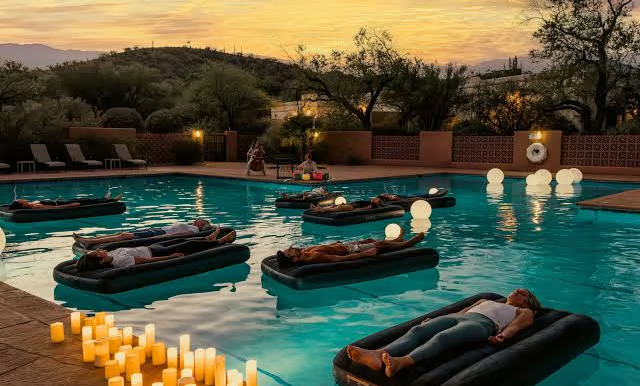
The imagery has become equally predictable: white robes, green juice, candles, perfectly arranged stones and someone performing yoga against an implausibly beautiful sunrise.
But genuine well-being is less decorative than that.
Sometimes it is uncomfortable.
It may require examining habits rather than escaping them.
Understanding why the body hurts.
Why sleep has changed.
Why energy disappears.
Why stress follows us even into beautiful places.
Why we eat the way we do.
Why we move too little — or demand too much from ourselves when we move.
Why silence can sometimes be harder to tolerate than noise.
This is where Canyon Ranch moves beyond the conventional idea of a spa resort.
The body is not treated merely as something to pamper.
It becomes something to understand.
Movement, nutrition, fitness, mindfulness, restorative treatments and conversations around healthier living become different parts of the same investigation.
Not:
How can I be indulged today?
But:
How might I feel better tomorrow?
There is an enormous difference between the two.
And perhaps an even greater difference between temporary pleasure and lasting well-being.
None of this requires rejecting beauty.
Quite the opposite.
The Berkshires provide a setting in which nature already seems to encourage another rhythm. Trees, changing light, open landscape and the particular quiet of New England create distance from the visual and psychological density of urban life.
Bellefontaine adds history.
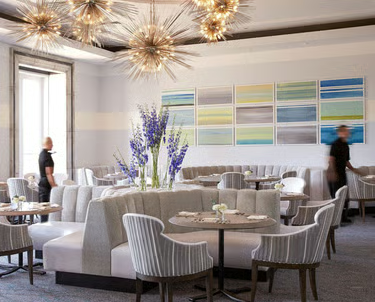
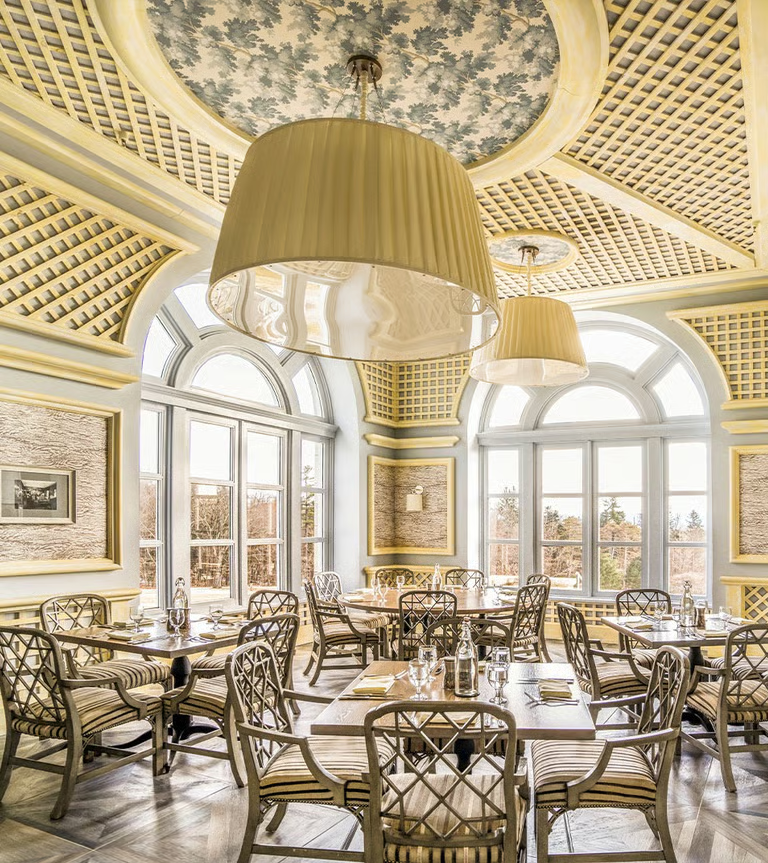
The interiors add comfort.
The grounds add space.
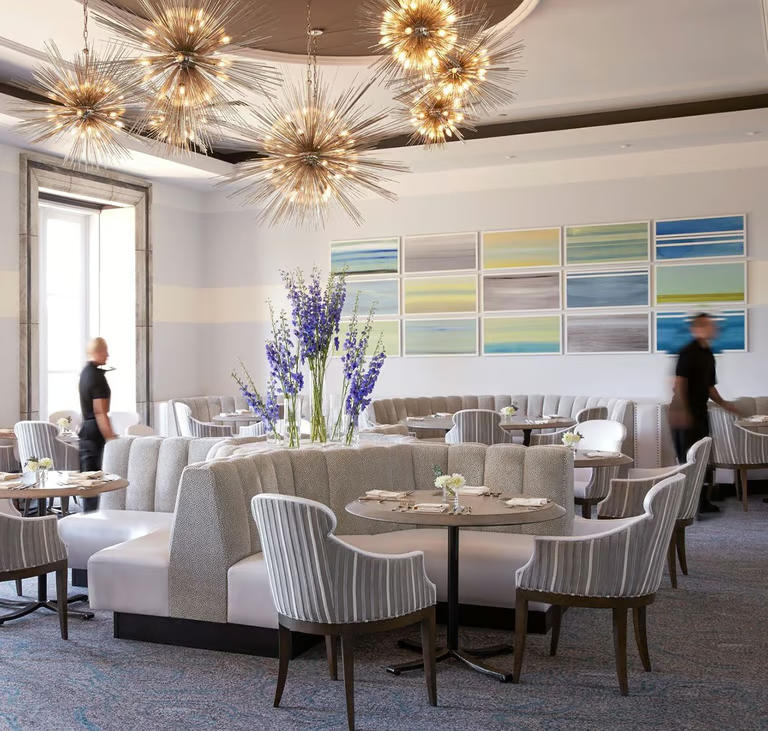
Good food adds pleasure.
Architecture gives the experience dignity.
But these things function differently here.
They are not the destination.
They create the conditions in which we can begin paying attention to ourselves.
That may be one of the most significant changes taking place in our understanding of luxury.
The twentieth century taught us to aspire to more.
More possessions.
More destinations.
More speed.
More access.
More experiences compressed into increasingly limited time.
The twenty-first century is beginning to reveal the cost of that accumulation.
We can have access to almost everything and still sleep badly.
We can travel constantly and remain exhausted.
We can be permanently connected and feel profoundly disconnected from ourselves.
We can surround the body with extraordinary comfort while barely listening to what the body is saying.
Perhaps this is why wellness has moved from the margins of hospitality toward its center.
Not because people suddenly became obsessed with spas.
But because feeling well has become scarce.
Energy is scarce.
Undistracted attention is scarce.
Deep sleep can be scarce.
Time without urgency is scarce.
A body that feels capable rather than depleted can begin to feel like an extraordinary privilege.
And suddenly the definition of luxury changes.
Luxury is waking rested.
Luxury is moving without discomfort.
Luxury is understanding what nourishes you.
Luxury is being able to sit quietly without immediately reaching for distraction.
Luxury is having enough time to notice how you feel — and enough knowledge to do something about it.
At Canyon Ranch Lenox, the beautiful paradox is that all of this unfolds within a place historically associated with a much older definition of privilege.
Bellefontaine remains.
Its architecture remains.
Its elegance remains.
But around it, another idea has taken shape.
One less concerned with displaying the good life than with understanding what a good life might actually feel like.
Because ultimately, no matter how beautiful the room, how rare the destination or how impeccable the service, there is one place from which none of us can check out.
Our own body.
And learning to feel at home there may be the greatest luxury of all.
The Architecture of Well-Being
Feeling well sounds wonderfully simple.
Achieving it rarely is.
The body does not exist in separate departments, however convenient it may be to treat it that way. Sleep affects appetite. Stress changes the way we move. Movement changes the way we sleep. Food influences energy. Energy affects mood. The mind inhabits the body, and the body remembers what the mind would sometimes prefer to forget.
At Canyon Ranch Lenox, perhaps the most compelling idea is not any individual treatment or activity.
It is the conversation between them.
A day here can move through very different forms of attention.
Morning may begin with movement.
Not movement as punishment for what was eaten the night before, nor exercise performed simply to satisfy a number on a screen, but movement as information.
How does the body respond?
Where is there strength?
Where is there resistance?
Where has flexibility quietly disappeared?
What feels easy?
What no longer does?
These are small questions, but they can reveal surprisingly large truths.
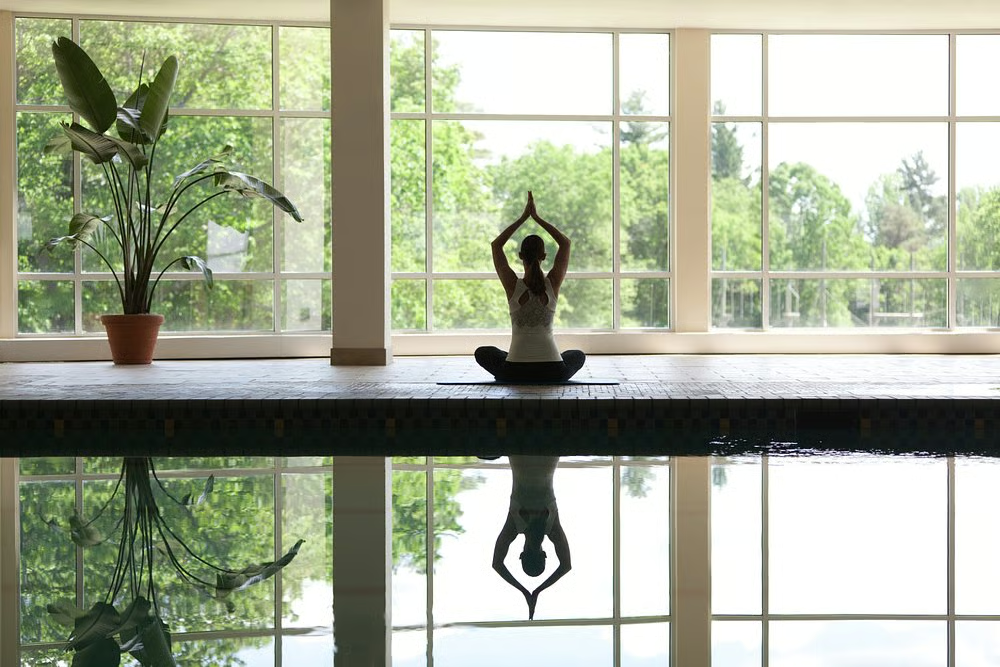
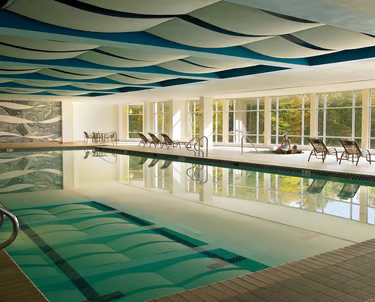
For some guests, the answer may come through strength and cardiovascular training. For others, through yoga, stretching, hiking, swimming or simply learning to move with greater awareness.
The objective need not always be performance.
Sometimes it is reconnection.
And outside, the Berkshires provide their own form of instruction.
There is something fundamentally different about moving through a landscape rather than across a gym floor.
A trail has no interest in repetitions.
A hill does not care about personal records.
Trees do not count steps.
The body simply enters the environment and begins negotiating with it.
Breath becomes noticeable.
Temperature becomes noticeable.
The ground beneath the feet becomes noticeable.
And what we call exercise begins to resemble something much older:
being physically present in the world.
Back inside, another form of intelligence takes over.
The Body as Information
Contemporary wellness has become fascinated with measurement.
We can track sleep, heart rate, recovery, glucose, movement, stress and countless other signals that previous generations experienced without ever converting them into graphs.
The information can be extraordinary.
But information alone is not wisdom.
Knowing a number is very different from understanding what to do with it.
This is where an integrated approach to well-being becomes particularly relevant.
Health is not simply a collection of metrics to optimize. It is an ongoing relationship between biology, behavior, environment and time.
A conversation with a professional can therefore become as important as a treatment.
An assessment can reveal patterns.
A class can introduce a different way of moving.
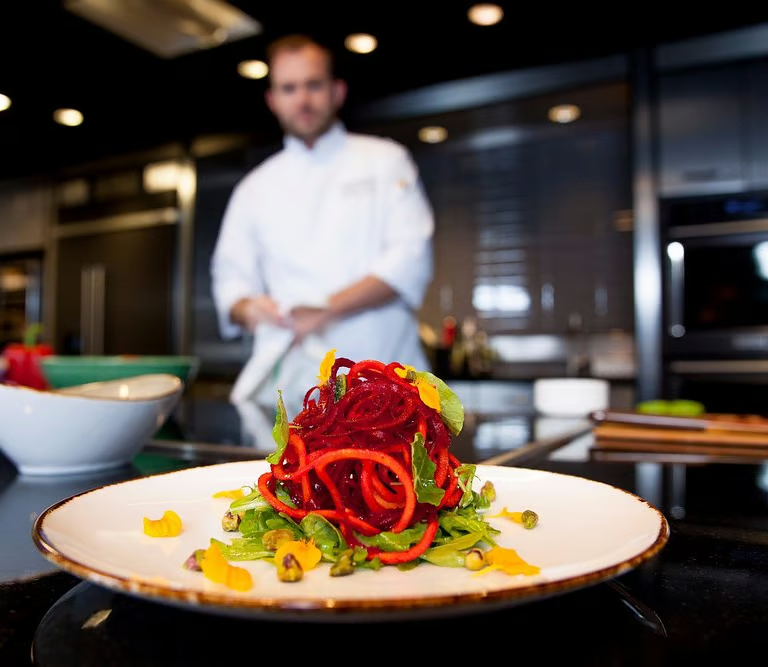
A discussion about nutrition can challenge habits accumulated over decades.
Mindfulness can expose just how rarely the mind is actually where the body is.
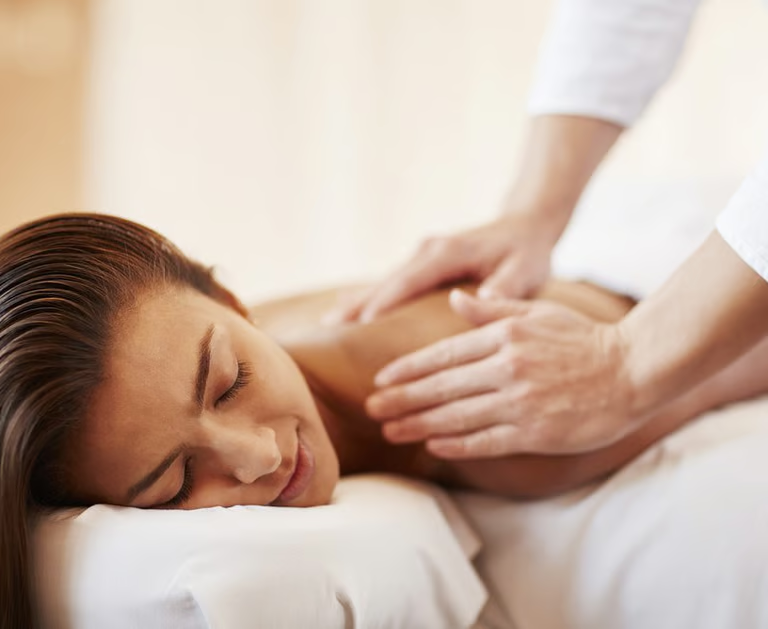
Massage and bodywork can bring attention to tension we had stopped noticing




What We Take Home
Every retreat contains a beautiful illusion.
For a few days, life can be rearranged.
There is time to walk.
Time to eat slowly.
Time to sleep.
Time to notice the body.
Time to ask questions that ordinary schedules are remarkably efficient at postponing.
Someone else has removed much of the friction.
Meals appear.
Appointments are organized.
Spaces are quiet.
Nature is close.
The phone can remain unanswered a little longer.
And gradually, feeling well begins to seem almost natural.
Then comes the difficult part.
Going home.
Because transformation is easy to admire in beautiful surroundings.
It becomes considerably more interesting on a Tuesday morning.
At home, there is no carefully constructed wellness itinerary waiting beside breakfast.
There are messages.
Deadlines.
Traffic.
Children.
Flights.
Meetings.
Bills.
Responsibilities.
The refrigerator contains whatever we remembered to buy.
The bed does not automatically produce deep sleep simply because we have decided sleep is important.
And the hour we intended to reserve for ourselves can disappear before the day has properly begun.
This is where the difference between escape and change becomes visible.
Escape ends when the environment changes.
Change travels with us.
And perhaps the most meaningful measure of a stay at Canyon Ranch Lenox is not how restored someone feels while walking through the Berkshires.
It is what remains three weeks later.
Maybe nothing dramatic.
That may be the point.
Perhaps breakfast changes.
Perhaps bedtime moves thirty minutes earlier.
Perhaps strength training stops feeling optional.
Perhaps the phone no longer sleeps beside the pillow.
Perhaps someone finally understands that the pain they had learned to ignore deserves attention.
Perhaps a walk becomes part of the day rather than something saved for vacations.
Perhaps five minutes of silence survive the return to noise.
These are not transformations designed for social media.
They are too small.
Too private.
Too ordinary.
And yet ordinary life is exactly where well-being matters most.
The Radical Luxury of Enough
Luxury culture has historically been built around desire.
There is always another room.
Another restaurant.
Another destination.
Another object.
Another experience.
Something rarer.
Something newer.
Something available to fewer people.
Desire moves forward because satisfaction is commercially inconvenient.
Well-being introduces an almost subversive idea into that system:
What if, for a moment, enough could actually be enough?
Enough sleep.
Enough movement.
Enough nourishment.
Enough work.
Enough rest.
Enough stimulation.
Enough silence.
Enough ambition without allowing ambition to consume everything it was meant to provide.
This does not require rejecting pleasure, success or beauty.
Canyon Ranch itself would make little sense if it did.
Bellefontaine is beautiful.
The Berkshires are beautiful.
Comfort matters.
Food matters.
Touch matters.
A beautiful room can change the emotional temperature of a day.
But perhaps mature luxury begins when these things stop being substitutes for feeling well.
A perfect bed cannot repair a life in which there is never enough time to sleep.
An extraordinary meal cannot compensate for a relationship with food governed by anxiety.
A spa treatment cannot permanently remove stress from a life structured around exhaustion.
A beautiful landscape cannot create inner quiet for someone who has forgotten how to be still.
At some point, the exterior world reaches the limits of what it can provide.
And the journey turns inward.
This may explain why contemporary conversations about longevity have become so compelling.
The desire to live longer is ancient.
But longevity without vitality is a strangely incomplete ambition.
More years are meaningful when they contain possibility.
The possibility to move.
To think clearly.
To remain curious.
To travel.
To work if work still brings purpose.
To sit at a table with people we love.
To climb stairs without negotiating with them.
To wake with enough energy to want something from the day.
The aspiration is not simply more life.
It is more life that still feels alive.
And suddenly wellness becomes less about vanity than stewardship.
The body is not an accessory accompanying us through the years.
It is the vehicle carrying the entire experience.
There is no upgrade available halfway through.
No replacement waiting in another room.
We have this one.
Caring for it begins to look less like self-indulgence and more like responsibility.
A Different Kind of Souvenir
Eventually, the last morning arrives in Lenox.
Perhaps there is one final walk.
The Berkshires look much as they did when you arrived.
Bellefontaine has not changed.
The trees remain.
The rooms will receive someone else.
Another guest will arrive carrying another body, another history, another collection of habits, ambitions, anxieties and questions.
The suitcase closes.
And unlike so many luxury journeys, there may be remarkably little that needs to be purchased before departure.
No object could adequately represent what the experience was supposed to provide.
Because the most interesting souvenirs are invisible.
A piece of knowledge.
A different relationship with movement.
A recipe.
A breathing practice.
A conversation remembered unexpectedly months later.
A better understanding of sleep.
The realization that exhaustion is not necessarily evidence of importance.
Permission to rest without first earning it.
The rediscovery of pleasure in using the body rather than merely evaluating its appearance.
These things fit easily into luggage because they require no space at all.
The challenge is keeping them once the luggage has been unpacked.
That is where the work begins.
And perhaps that word — work — belongs in any serious conversation about wellness.
Because feeling well cannot always be purchased as a finished experience.
Money can provide extraordinary access.
To knowledge.
To professionals.
To time.
To beautiful environments.
To sophisticated care.
That access is a privilege and should be recognized as such.
But eventually the door opens and we must walk through it ourselves.
We must go to bed.
We must move.
We must eat.
We must breathe.
We must make choices.
Again and again, imperfectly, in ordinary circumstances.
There is something almost reassuring about this.
The goal is not perfection.
A perfectly optimized life could become another form of anxiety.
The goal may simply be greater awareness.
To know when the body is asking for rest.
To recognize when the mind needs quiet.
To understand that health is not a project completed once and permanently checked off a list.
It is a relationship.
And relationships require attention.
Perhaps this is what places like Canyon Ranch can offer at their best.
Not reinvention.
Not the fantasy that a few days can erase decades.
Not another impossible standard of wellness to pursue.
Something gentler.
A pause long enough to hear ourselves again.
A little knowledge.
A little perspective.
And perhaps the motivation to return home and protect some part of what we discovered.
Because eventually every beautiful retreat ends.
We leave the mansion.
We leave the Berkshires.
We return to the noise.
And life resumes exactly where we left it.
Except, perhaps, for one small difference.
We return knowing that luxury is not only the extraordinary place we were fortunate enough to visit.
Sometimes it is waking in our own bed after a deep night's sleep.
Opening the curtains.
Taking a full breath.
Putting our feet on the floor.
And realizing, before the world begins asking anything from us:
I feel well.
There may be no greater luxury than that.









Contact
Contact us for partnerships, collabs, and any questions.
phone number
+1 561 601 2069
© 2025. All rights reserved.